|
FAQ: THE CREEDS |
|
This "Frequently Asked Questions" page will hopefully shed some light on the creeds of the church -- where they came from, what they mean, and why they are recited in our worship. [Return to Trinity's Home Page] or [Go to Page 2] (Q) What is a creed? (A) A creed is, at its most basic level, a statement of corporate belief. The word creed comes from the Latin word, credo, which means I believe. (Q) What creeds are used in the Episcopal Church? (A) There are two: The Apostles' and Nicene creeds. The Book of Common Prayer does contain a third creed, the Athanasian Creed, but only as a historical document. (See page 864 of the BCP, if you are curious.) Its never used in a worship service. (Q) How old are the creeds and why are they called what they are called? (A) The Apostles' Creed probably dates to the second century. Its name is likely derived from the tradition that the apostles wrote or dictated part of it. The Nicene Creed was adopted in two councils of the church: Nicaea in 325 and Constantinople in 381. (Q) When are the creeds used? (A) The Nicene Creed is required to be used in all Eucharistic services held on Sundays or other Major Feast Days. It is not optional. The Apostles' Creed is used during Baptisms, the Daily Office (e.g. Morning/Evening Prayer) and for Burials. It is also optionally recited at Weddings. (Q) What is the intent of creeds? (A) The creeds were written to oppose or refute ideas about God which were thought to be contrary to his nature, i.e. unorthodox or heretical. |
 The Episcopal Church
Welcomes You
The Episcopal Church
Welcomes You
Our Presiding Bishop
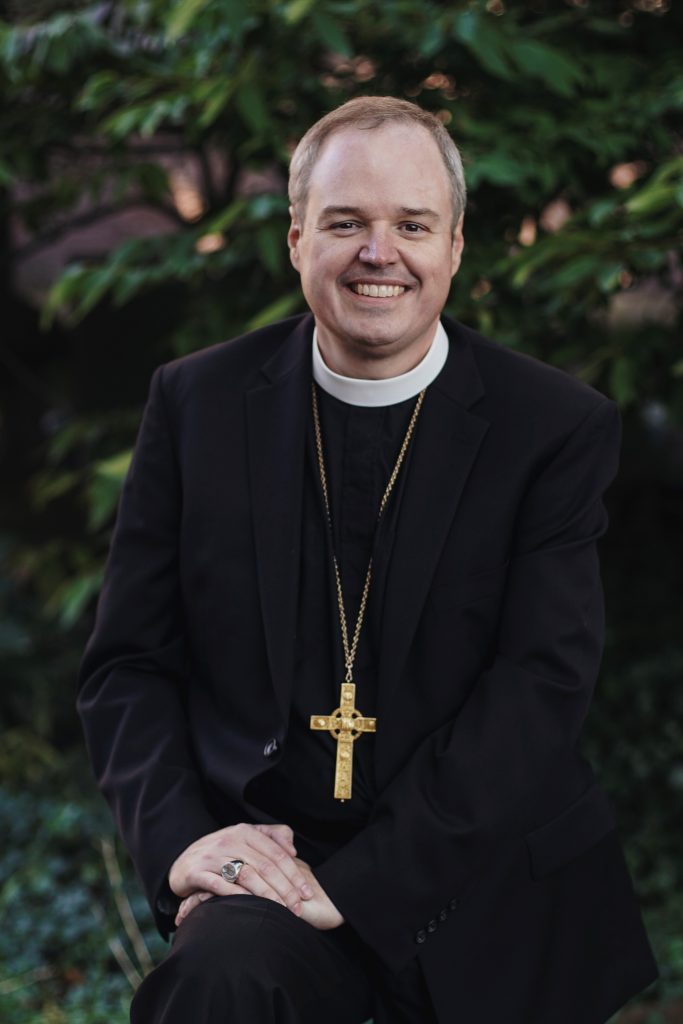
The Most Rev. Sean W. Rowe
28th Presiding Bishop & Primate
The Most Rev. Sean W. Rowe was elected presiding bishop and primate of The Episcopal Church in June 2024 and took office on Nov. 1 for a nine-year term. In this role, he serves as the church’s chief pastor and CEO. Known for his expertise in organizational learning and adaptive change, Rowe is committed to strengthening support for local ministry and mission.
He was ordained bishop of the Episcopal Diocese of Northwestern Pennsylvania in 2007 after serving as rector of St. John’s in Franklin, Pennsylvania, for seven years. From 2014 to 2018, he served as bishop provisional of the Episcopal Diocese of Bethlehem, and from 2019 to 2024, he led a partnership between the Episcopal Dioceses of Northwestern Pennsylvania and Western New York.
Rowe holds a bachelor’s degree in history from Grove City College, a Master of Divinity degree from Virginia Theological Seminary, and a doctorate in organizational learning and leadership from Gannon University. He has served as a leader of many civic and churchwide organizations and governance bodies, and as parliamentarian for the House of Bishops.
Our Family